20 Watercolor Portrait Clipping Masks Review
As a designer who has spent years translating digital art into tangible stitched goods, I know that the difference between a good product and a great one often lies in the details you cannot see until the needle hits the fabric. Today, I am looking closely at 20 Watercolor Portrait Clipping Masks, a set of design assets categorized under Actions Amp. While these are technically digital clipping masks rather than native machine embroidery files, their application in the modern craft business is profound. They serve as the blueprint for creating custom apparel, personalized gifts, and boutique merchandise that stands out in a crowded marketplace.
The First Impression: Mood and Visual Personality
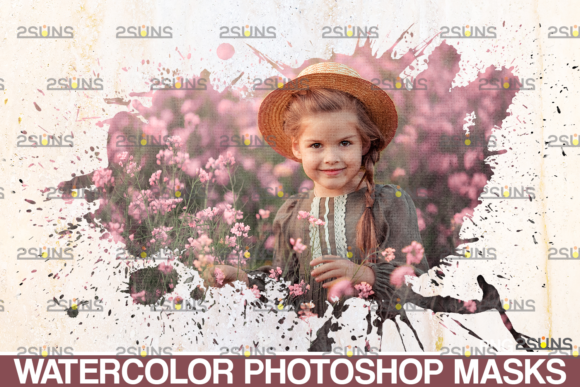
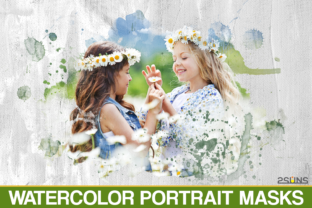
When I first opened the preview for 20 Watercolor Portrait Clipping Masks, the immediate reaction was one of soft elegance. The watercolor aesthetic suggests fluidity, emotion, and a hand-painted charm that resonates deeply with customers seeking unique, non-mass-produced items. In the world of embroidery, where precision can sometimes feel cold or rigid, these masks offer a gateway to organic shapes and blended textures. The layout of the portraits varies enough to keep a collection fresh, yet they share a cohesive visual language that would work beautifully for a brand identity focused on nostalgia or artistic expression.
For an Etsy seller or a small shop owner, this mood is everything. It signals quality without shouting it. When applied to a finished product, these designs suggest a level of care that goes beyond standard commercial embroidery. They invite the viewer to look closer, to appreciate the nuance of the "paint" strokes that will eventually be rendered in thread. However, the transition from a digital mask to a physical stitch requires a strategic mindset. You are not just placing an image; you are interpreting a painting through the lens of thread density and fabric texture.
Real-World Application: From Screen to Stitch
Let's talk about a specific scenario. Imagine you are preparing a custom embroidered tote bag for a local art fair. You want something that feels personal but professional. Using 20 Watercolor Portrait Clipping Masks, you could select a profile view of a subject, perhaps a child or a pet, and apply it to a high-quality cotton canvas. The challenge here is how the watercolor edges translate into a machine embroidery design.
If you were to use these masks to guide your digitizing process, the goal would be to mimic the bleed of watercolor using varying stitch density. A solid fill stitch might look too harsh against the soft edges implied by the mask. Instead, you might opt for a combination of running stitch for outlines and a lighter, more open fill stitch for the body of the portrait. On a sweatshirt, this approach creates a vintage, worn-in look that customers love. The result is a piece of custom apparel that feels like a handmade product rather than a factory print.
I also envision these masks being used for baby embroidery projects. A soft, watercolor-style portrait on a onesie or a nursery pillow cover adds a gentle touch that parents find incredibly appealing. The lack of hard lines makes the design less intimidating for delicate fabrics. For holiday gifts, these masks allow for quick customization. You can take a client's photo, apply the mask to soften the features, and then digitize the result for an embroidered patch or a tea towel. The versatility is the real selling point here, allowing a single asset pack to span multiple categories of your craft business.
Navigating Technical Challenges and Fabric Choices
While the potential is high, we must address where these designs require caution. Watercolor effects rely heavily on the perception of blending, which can be difficult to achieve on textured fabrics or dark backgrounds. If you attempt to stitch a light watercolor portrait onto a black hoodie without proper planning, the thread colors may not pop, and the subtle gradients could get lost in the fabric weave.
Small hoop sizes are another area of concern. The intricate details of a portrait can become muddy if the design is scaled down too much. Tiny lettering or fine facial features within the mask might turn into dense stitch areas that pucker the fabric. Always test the design on scrap fabric first. Check whether the hoop size you intend to use can accommodate the detail level without compromising clarity. For curved surfaces like caps, the distortion can alter the flow of the watercolor effect, so a careful review of the mockup is essential before committing to production.
Fabric texture plays a massive role here. On a smooth satin pillowcase, the stitches will lie flat, preserving the illusion of paint. On a thick denim apron or a heavy knit blanket, the same design might look blocky. You need to adjust your stabilizer choice accordingly. A cutaway stabilizer might be necessary for stretchy fabrics to maintain the integrity of the portrait shape during washing. Remember, products that need frequent washing, like kitchen towels or baby clothes, require durable stitching techniques that won't fray over time.
Maximizing Value and Professionalism
Using 20 Watercolor Portrait Clipping Masks effectively can significantly boost the perceived value of your finished product. Customers are willing to pay a premium for items that look professionally designed and thoughtfully executed. When you present a printable mockup of a tote bag featuring a soft, artistic portrait, you are selling a story, not just a bag. This elevates your brand consistency and builds customer trust.
For the digital product seller, these masks are invaluable for creating design assets that others can use. However, always confirm licensing before selling finished items or digital products derived from them. Ensure that the terms allow for commercial embroidery and the sale of physical goods. This due diligence protects your business and maintains your reputation as a professional designer.
Practical Designer Notes for Success
To get the most out of this project, follow these practical steps:
- Test on Scrap Fabric: Never skip this step. See how the thread colors interact with the specific fabric you plan to use.
- Check Thread Color Contrast: Watercolor effects rely on subtle shifts. Ensure your thread palette offers enough variation to mimic the mask's depth.
- Review Stitch Density: Avoid overly dense fills that can stiffen the fabric. Aim for a balance that allows the garment to drape naturally.
- Confirm Hoop Size: Make sure the design fits comfortably within your hoop without stretching the image.
- Inspect Small Details: Zoom in to ensure no critical features are lost in translation from digital mask to stitch file.
- Test Black and White Mockups: Sometimes color distracts from the actual shape. Verify the silhouette works in grayscale.
- Compare Light and Dark Backgrounds: Evaluate how the design performs on different base colors to expand your product line options.
- Use Proper Stabilizer: Choose a stabilizer that supports the weight of the thread and the type of fabric without adding bulk.
In conclusion, 20 Watercolor Portrait Clipping Masks offers a sophisticated tool for designers looking to infuse their embroidery projects with artistic flair. Whether you are creating a holiday gift, a boutique product, or expanding your Etsy listings, the key lies in understanding how to translate the digital softness of the mask into the tactile reality of thread. By paying attention to fabric choices, stitch types, and testing protocols, you can create finished products that not only look beautiful but also stand up to the demands of real-world use. This is not just about following a template; it is about crafting a unique experience for every customer who holds your work.