Rose Poppy Watercolor Elements for Web
I recently opened a new file for a boutique skincare brand looking to launch their summer collection. The client wanted something that felt organic, soft, and deeply human, moving away from the sterile, vector-perfect look of their competitors. That is when I pulled up Rose Poppy Watercolor Elements to see if it could carry the weight of this real-world project. As a designer who has spent years curating assets for branding, packaging, and digital campaigns, my first impression was immediate relief. These elements do not feel like generic clipart; they possess a genuine texture that breathes life into a layout.
The First Impression: Mood and Visual Texture
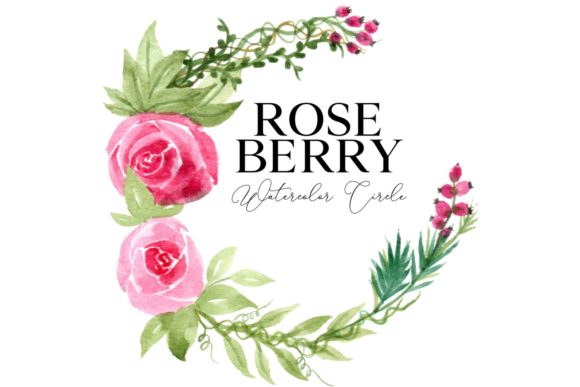
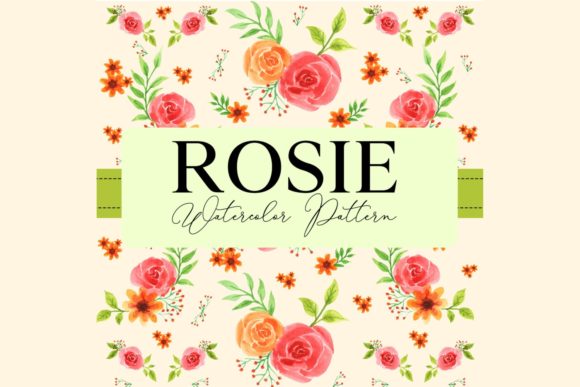
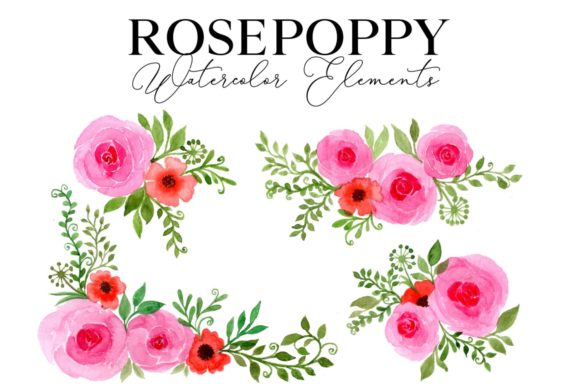
When you first load Rose Poppy Watercolor Elements, the visual language speaks of romance and nature without being cliché. The watercolor technique here captures the bleeding edges and pigment variations that are so hard to replicate digitally. For a handmade business or a small business owner trying to establish an emotional connection with their audience, these visuals are powerful. They create a mood that is gentle yet confident. Unlike flat graphics that can feel cold on a screen, these elements introduce a tactile quality that suggests care and craftsmanship. This makes them an excellent choice for projects where trust and warmth are paramount, such as wellness brands, wedding invitations, or artisanal product lines.
Performance in Real Design Scenarios
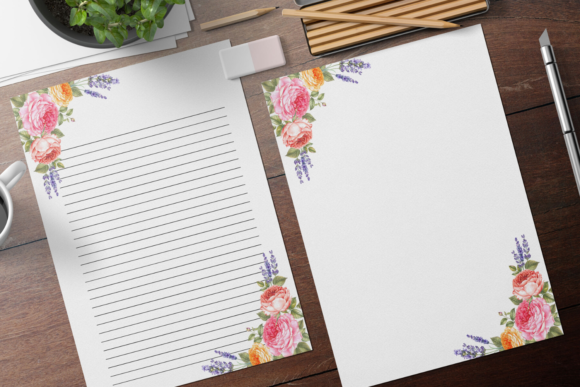
In my workflow, I immediately tested how these assets perform across different mediums. For packaging design, the floral motifs worked beautifully as background textures for labels, allowing the typography to sit cleanly on top while adding depth. When I shifted to social media graphics, specifically Instagram posts and Pinterest pins, the high-resolution PNGs held up perfectly. The transparency around the petals allowed me to layer them over photos of products without creating a muddy mess. I also explored using them for a t-shirt design concept for a local botanical garden fundraiser. The softness of the rose and poppy shapes translated well to fabric mockups, suggesting a comfortable, vintage-inspired aesthetic that would appeal to a wide demographic.
For print-on-demand sellers and those creating Etsy products, these assets offer versatility. I imagined them used on tote bags, mugs, and even as part of a sticker design set. The organic shapes break up the rigidity of standard grids, making the final product feel unique. In editorial design, such as blog headers or magazine spreads, these elements serve as perfect decorative accents that guide the eye without overwhelming the text. Even in web design, where performance is key, optimized versions of these Web Elements can soften a hero section, making a landing page feel more inviting rather than purely transactional.
Where the Asset Shines Brightest
Rose Poppy Watercolor Elements truly excels in large layout areas and hero graphics. When used as a focal point on a homepage banner or the front of a poster, the intricate details of the watercolor wash become visible and impactful. They are ideal for product mockups where you need to elevate a simple item into a premium offering. I found them particularly effective in themed collections, such as a spring marketing campaign or a bridal suite of materials. They work wonderfully as supporting brand elements in a brand identity system, providing a consistent visual thread that ties together logos, letterheads, and digital ads. For Cricut users and crafters, if the bundle includes SVG files, these designs open up endless possibilities for layered paper crafts and vinyl decals.
Navigating Limitations and Constraints
However, professional judgment dictates knowing where to exercise caution. While beautiful, Rose Poppy Watercolor Elements should be used carefully in crowded layouts. The organic nature of the paint strokes means they lack the sharp geometric boundaries of vector art, which can sometimes get lost if the surrounding design is too busy. They are not the best fit for minimalist branding that relies on stark, clean lines or for professional corporate materials where a more structured aesthetic is required. Additionally, readability can suffer if placed directly behind small body text. It is crucial to maintain strong visual hierarchy; these elements should support the message, not compete with it. In low-contrast designs or on complex backgrounds, the delicate pigments might disappear, so testing contrast is non-negotiable.
Practical Designer Notes for Commercial Use
Before committing any asset to a client project, I follow a strict checklist. First, always test the design in black and white to ensure the value structure holds up. Next, preview Rose Poppy Watercolor Elements at both very small sizes, like a favicon or social avatar, and large formats, like a billboard or banner. Place them on real product mockups to visualize the scale. If you plan to print, check the DPI and review the file formats to ensure they meet your printer's requirements. Inspect the PNG transparency to ensure there are no unwanted halos around the flowers. If the package includes vectors, check the editability of the paths. Compare the style against your chosen typography; these florals pair exceptionally well with script fonts and elegant serif fonts, but might clash with aggressive display fonts. Finally, and most importantly, confirm the commercial license. Ensure you have the right to use these assets for client work, resale items, or sublimation designs without legal issues.
Final Verdict for the Creative Professional
After integrating Rose Poppy Watercolor Elements into my concept for the skincare brand, the result was exactly what we needed. The visuals added a layer of sophistication and warmth that elevated the entire presentation. They transformed a standard product lineup into a cohesive story. Whether you are a marketer creating marketing visuals, a blogger needing fresh digital product content, or a small business owner building a handmade business brand, these assets offer significant value. They bridge the gap between digital precision and artistic soul. By understanding their strengths and limitations, designers can leverage them to create polished, professional, and emotionally resonant work. In the vast sea of the creative marketplace, finding a graphic design asset that feels authentic is rare, and this collection delivers just that.