Watercolor Floral Pattern: A Designer’s Honest Review for Real Embroidery Projects
First Impressions: Soft, Artistic, and Versatile
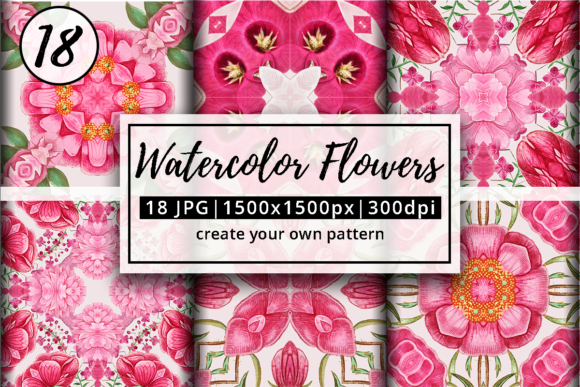
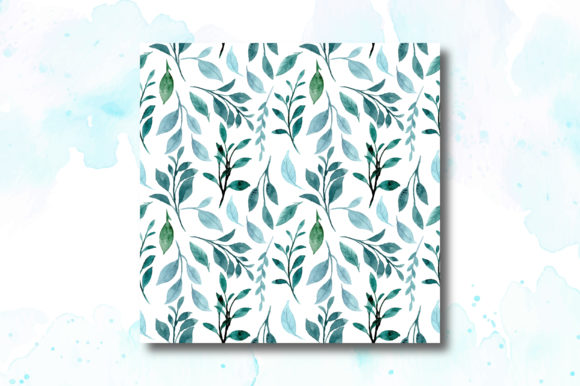
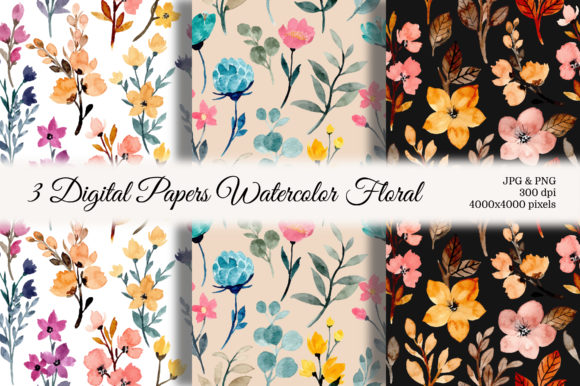
When I first opened the Watercolor Floral Pattern, I was struck by its gentle, painterly quality. It doesn’t scream for attention like bold geometric designs or intricate monograms. Instead, it whispers with soft gradients, flowing lines, and a sense of organic movement that feels like it was brushed onto the fabric by hand.
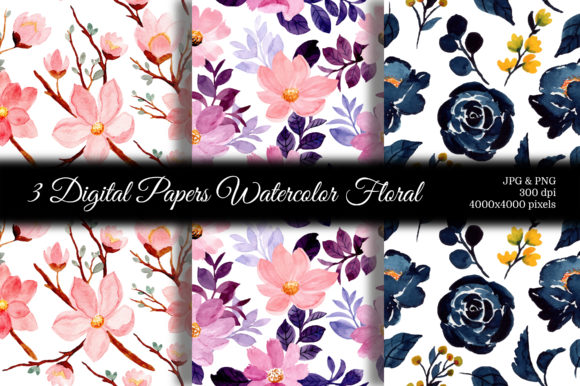
This design carries a warm, romantic mood that leans toward the feminine but isn’t overly delicate. It features a loose arrangement of florals—peonies, daisies, and trailing vines—blended with subtle washes of color. The layout feels balanced without being symmetrical, giving it a natural, artistic charm that works well for both modern and vintage-inspired projects.
Real-World Use: From Tote Bags to Baby Clothes
I decided to test the Watercolor Floral Pattern on a few different items I regularly embroider for clients and my own small shop. My first test was on a natural cotton tote bag. The softness of the pattern complemented the simplicity of the tote perfectly, adding a touch of elegance without overwhelming the minimalist canvas.
Next, I stitched it onto a baby onesie. The muted tones and flowing lines gave the garment a dreamy, storybook feel—perfect for gifting or boutique-style babywear. The pattern scaled well without losing clarity, which is a big plus when adapting embroidery for smaller items.
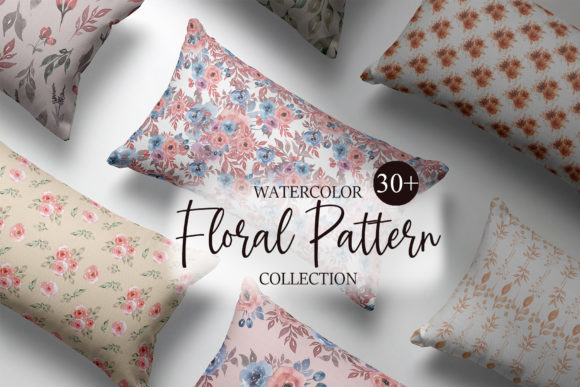
For a seasonal project, I embroidered the design onto a linen pillow cover for spring home decor. It stitched cleanly on the textured fabric, and the watercolor effect gave the pillow a handmade, artisanal quality that’s hard to replicate with standard embroidery files.
Where It Shines: Commercial and Personal Projects
What I love most about the Watercolor Floral Pattern is how it bridges personal and commercial use. Whether you're creating custom apparel for a client or building a line of embroidered home goods for your Etsy shop, this design adapts beautifully.
- Custom apparel: Looks great on sweatshirts and light jackets, especially in neutral or pastel thread colors.
- Boutique branding: Adds a soft, elevated touch to boutique packaging or product tags.
- Holiday gifts: Works well on tea towels and pillow covers for seasonal decor.
- Personalized items: Blends nicely with names or initials for baby gifts or wedding favors.
Watch These Details: Fabric, Hoop Size, and Stitch Clarity
Like any machine embroidery design, the Watercolor Floral Pattern has some limitations depending on your project. It’s not ideal for very small hoop sizes—say, under 3x3 inches—because the subtle gradients and soft edges can get lost in reduced scale.
I noticed that on stretchy knit fabrics, especially when using a standard stabilizer, the design’s fine details softened a bit too much. It’s best to pair this pattern with stable, medium-weight fabrics like cotton, linen, or felted wool for the clearest results.
On dark fabrics, the color transitions can become less visible unless you choose contrasting thread colors carefully. I recommend testing the design in black and white mockups first to see how the layers will appear before committing to a final stitch-out.
Stitch Quality and Embroidery Execution
The actual stitch file is well-constructed. The satin and fill stitches blend smoothly, and the running stitch outlines help define the watercolor effect without looking too rigid. There’s a good balance between coverage and openness, so the design doesn’t pull or pucker easily on most fabrics.
I did a few test runs using different stabilizers—tear-away for cotton, cut-away for stretchy material—and found that the design performed best with a medium-weight stabilizer. No thread breaks or tension issues occurred during stitching, which is always a relief when working on client deadlines.
Design Value for Craft Entrepreneurs and Etsy Sellers
If you're a small business owner or Etsy seller, the Watercolor Floral Pattern can become a versatile part of your design assets. It adds a touch of sophistication to handmade products without being too complex or expensive to stitch.
It’s also a great candidate for printable mockups or digital product previews. The soft, artistic look photographs well and gives buyers a clear idea of how the finished product will look before purchase.
For those selling embroidered items online, this design can help build brand consistency—especially if your shop leans toward a soft, nature-inspired aesthetic. It’s recognizable without being overused, which is key for standing out in a crowded market.
Practical Notes for Embroidery Designers
Here are a few quick tips I picked up while working with the Watercolor Floral Pattern:
- Test on scrap fabric before stitching on your final product, especially if you're using textured or stretchy material.
- Check thread color contrast to ensure the watercolor effect reads clearly on both light and dark backgrounds.
- Verify hoop size compatibility—this design works best in 4x4 hoops or larger.
- Inspect small details under magnification if you're using it for intricate items like baby clothes or patches.
- Confirm licensing before selling finished items or digital products that include this design.
Final Thoughts: A Thoughtful Addition to Your Embroidery Library
The Watercolor Floral Pattern isn’t a flashy, attention-grabbing embroidery file, but that’s exactly what makes it special. It’s a quiet, versatile design that adds visual appeal without demanding too much from your machine or your time.
Whether you're creating custom embroidered gifts, boutique-style apparel, or curated digital design kits, this pattern can become a go-to element in your embroidery projects. It brings a sense of artistry and professionalism to finished products, which is always a win in the handmade and small business world.