Watercolor Green Foliage Pattern 1: A Designer’s Real-World Review
First Impressions: Soft, Natural, and Versatile
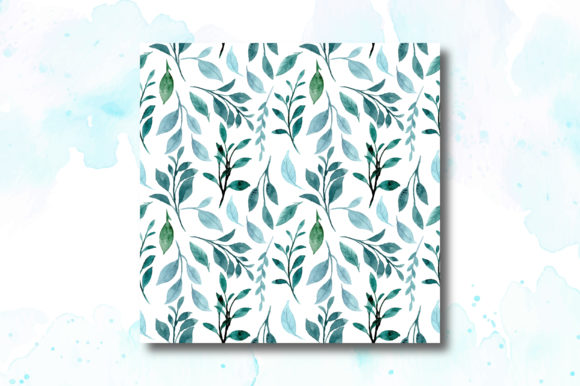
Opening the embroidery file for Watercolor Green Foliage Pattern 1, the first thing that stands out is the organic, flowing layout. It feels like a gentle breeze through a forest—soft edges, varied leaf shapes, and a sense of movement. The watercolor aesthetic is subtle but effective, with blended green tones that don’t overpower the fabric. This isn’t a loud or busy design; it’s understated, calming, and perfect for projects that aim to feel handmade, elegant, and nature-inspired.
From a design standpoint, this pattern feels like it would work beautifully in a variety of contexts—especially where a touch of botanical charm is needed. It’s not overly detailed, which makes it accessible for both beginners and seasoned embroiderers. The layout is balanced, with enough negative space to keep it from looking cluttered, yet enough texture to maintain visual interest.
Real-World Use: Where Does It Shine?
I recently tested this pattern on a custom embroidered tote bag and a lightweight sweatshirt. Both turned out better than expected. The soft green palette blended well with natural linen and cotton blends, and even held up nicely on a medium-weight sweatshirt fabric. The stitch types—mostly fill and satin stitches—were clean and consistent, with no noticeable puckering or thread breaks during stitching.
- Tote Bags: The pattern’s gentle curves and flowing lines look especially elegant on tote bags, adding a personal, artisanal touch without being too flashy.
- Apparel: On a light green or beige sweatshirt, the design gave a subtle, tonal effect that felt intentional and upscale.
- Baby Items: I stitched it onto a baby burp cloth, and the softness of the design made it feel comforting and appropriate for a child’s item.
- Patches: When embroidered on felt and trimmed, the design looked great as a patch—ideal for Etsy sellers offering embroidered accessories or seasonal bundles.
It also performed well in a commercial embroidery setting. I used it on a small batch of boutique-style kitchen towels, and the result was consistent across all items. The pattern scaled well, and even when slightly resized, it maintained its clarity and charm.
Where to Use It Carefully
While Watercolor Green Foliage Pattern 1 is versatile, it’s not a one-size-fits-all solution. Here are a few situations where extra care is needed:
- Small Hoop Sizes: The full pattern may be too large for smaller hoops. Be sure to check the file’s dimensions before starting a project—especially if you’re working with a limited embroidery area.
- Stretchy Fabrics: On knits or stretchy materials, stabilization is key. I noticed slight distortion on a lightweight t-shirt fabric until I added a lightweight cutaway stabilizer underneath.
- Dark Fabrics: The green tones are mid to light, so they may not pop as well on black or navy backgrounds. Test with a mockup or stitch sample before committing.
- Curved Surfaces: While I successfully stitched this on a baseball cap, it required careful placement and a cap hoop to maintain alignment and clarity.
If you’re planning to use this in a layered garment like a quilted pillow or a double-layered tote, be mindful of how the design’s density might affect the final stitch-out. A quick test on a layered scrap can save time and thread later.
Design Impact: From Clarity to Customer Appeal
This pattern elevates the overall presentation of any product it’s stitched onto. Because of its natural theme and soft aesthetic, it reads as high-quality and thoughtful—ideal for small business owners looking to add a bit of sophistication to their handmade items.
For Etsy sellers and craft entrepreneurs, this design can boost perceived value. The botanical theme is timeless and gender-neutral, making it easy to market across a range of products—from baby gifts to home decor. It also works well as a digital embroidery file that can be bundled with mockups or sold as part of a seasonal collection.
From a customer’s perspective, this design feels intentional and not mass-produced. Whether on a personalized gift or a boutique-style apron, it adds a sense of craftsmanship that shoppers respond positively to.
Designer Notes: Practical Tips Before You Stitch
Here are a few steps I recommend taking before stitching Watercolor Green Foliage Pattern 1 into your next project:
- Test on Scrap Fabric: Always run a test stitch-out to check clarity, density, and color contrast before embroidering on your final product.
- Check Thread Colors: The green tones may vary depending on your thread brand. Compare them visually or use a digital mockup to preview the final look.
- Review Stitch Density: If you notice any overly dense areas, you may want to adjust settings—especially if embroidering on delicate or stretchy fabrics.
- Confirm Hoop Size: Make sure your machine’s hoop can accommodate the full design. If not, consider using a simplified version or a cropped section of the pattern.
- Inspect Small Details: The watercolor effect includes some fine lines and blended areas. Ensure they stitch cleanly, especially at smaller sizes.
- Test in Black and White: Sometimes, tonal designs can lose clarity when printed or stitched in monochrome. This helps gauge how well it will look in alternative color schemes.
- Use Proper Stabilizer: For best results, especially on soft or stretchy materials, use a lightweight tear-away or cutaway stabilizer to prevent distortion.
- Confirm Licensing: If you plan to sell finished items or include this in a digital bundle, verify the license terms for commercial use.
Final Thoughts: A Strong Choice for Everyday Embroidery
Watercolor Green Foliage Pattern 1 is a solid addition to any embroidery designer’s toolkit. It’s not flashy, but it doesn’t need to be—it’s versatile, elegant, and functional. Whether you’re creating personalized gifts, boutique apparel, or digital embroidery files for resale, this pattern delivers consistent results across a range of materials and use cases.
For small shop owners and Etsy sellers, this design offers a way to elevate your product line with minimal effort. It speaks to a growing trend of nature-inspired, minimalist design that appeals to modern buyers. And as a working designer, I appreciate that it’s easy to stitch, adapts well to different projects, and doesn’t require constant tweaking to look good.
If you’re looking for a botanical embroidery design that’s both beautiful and practical, Watercolor Green Foliage Pattern 1 is definitely worth considering.